Situated on Staten Island with stunning views of Brooklyn and Lower Manhattan, the Alice Austen House is a historic landmark that celebrates the life of a trailblazing queer photographer from the mid-19th and early 20th centuries.
Its latest project is also pretty picture-perfect: The Queer Ecologies Garden.

In partnership with the New York Restoration Project and students from the Pratt Institute Graduate Center for Planning and the Environment, the park and its gardens were filled with flora that “challenge the notion of heteronormativity.”
Many of the plants that call the garden home are non-binary or sex-changing species, such as ferns and flowers that self-pollinate or have both reproductive organs.
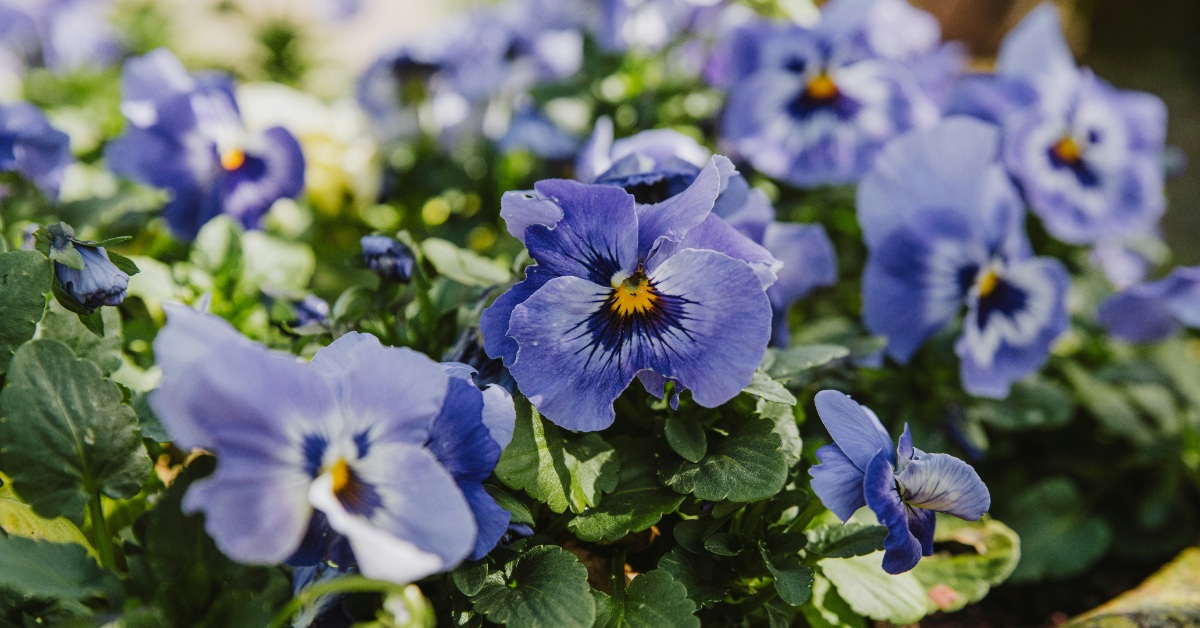
The garden also features historically significant species such as violets and pansies, which both have symbology in LGBTQ+ history and culture.
Additionally, gender and sexuality alliance groups from area schools use the grounds as a learning environment, with storytelling and photography programming and volunteer gardening groups.

The engaging educational programs aim to inspire more LGBTQ+ young people to explore careers in horticulture or ecology. But at end of the day, the garden is first and foremost a safe — and beautiful — space for the queer community.
“Gardens have historically been used as symbols of freedom and escape from oppression. In the 19th and early 20th centuries, when homosexuality was illegal in many countries, gardens were often secret meeting places for queer people to socialize and express themselves,” the Alice Austen House shares on its website.
“Gardens provide a space for self-expression and creativity, where queer people can explore their identity and freely express themselves through gardening, art, and other forms of creative expression. Gardens have been places where queer people could come together, form communities, share experiences, and offer support to one another.”

The house and its surrounding park and gardens are nationally designated sites of LGBTQ+ significance, carrying the legacy of Alice and her loving partner, Gertrude Tate, who lived in the space for 30 years. Austen was also the founder of the Staten Island Garden Club and used her garden as a photographic muse on many occasions.
“We have created this garden to serve as a gathering place that offers freedom, comfort, and fosters understanding,” the Alice Austen House added.
For the young people — queer or otherwise — who have been invited into the space, it seems to have lived up to its mission.
“One of the main arguments against queer people in general is that it’s not a natural thing, or not normal,” Lexy Trujillo-Hall, a queer student who volunteers at the garden, told the New York Times.
“But this is like, nature supports you. Nature understands you, and it’s not a bad thing to want to be who you are.”
A version of this article was originally published in The 2024 Pride Edition of the Goodnewspaper.
You may also like: Can animals be gay? New study finds that many apes and monkeys are — and it may be a survival advantage
Header image by Anita Austvika on Unsplash