Every year, more than 500 moose and 3,000 deer are hit by vehicles in Maine, according to the state’s Department of Transportation.
Maine’s Aroostook County holds first place for the highest number of moose collisions between 2005 and 2014, making it a priority area for improved wildlife connectivity projects. Inside the county is Caribou, Maine, an aptly named town that is now home to two projects that will help combat moose-vehicle collisions.
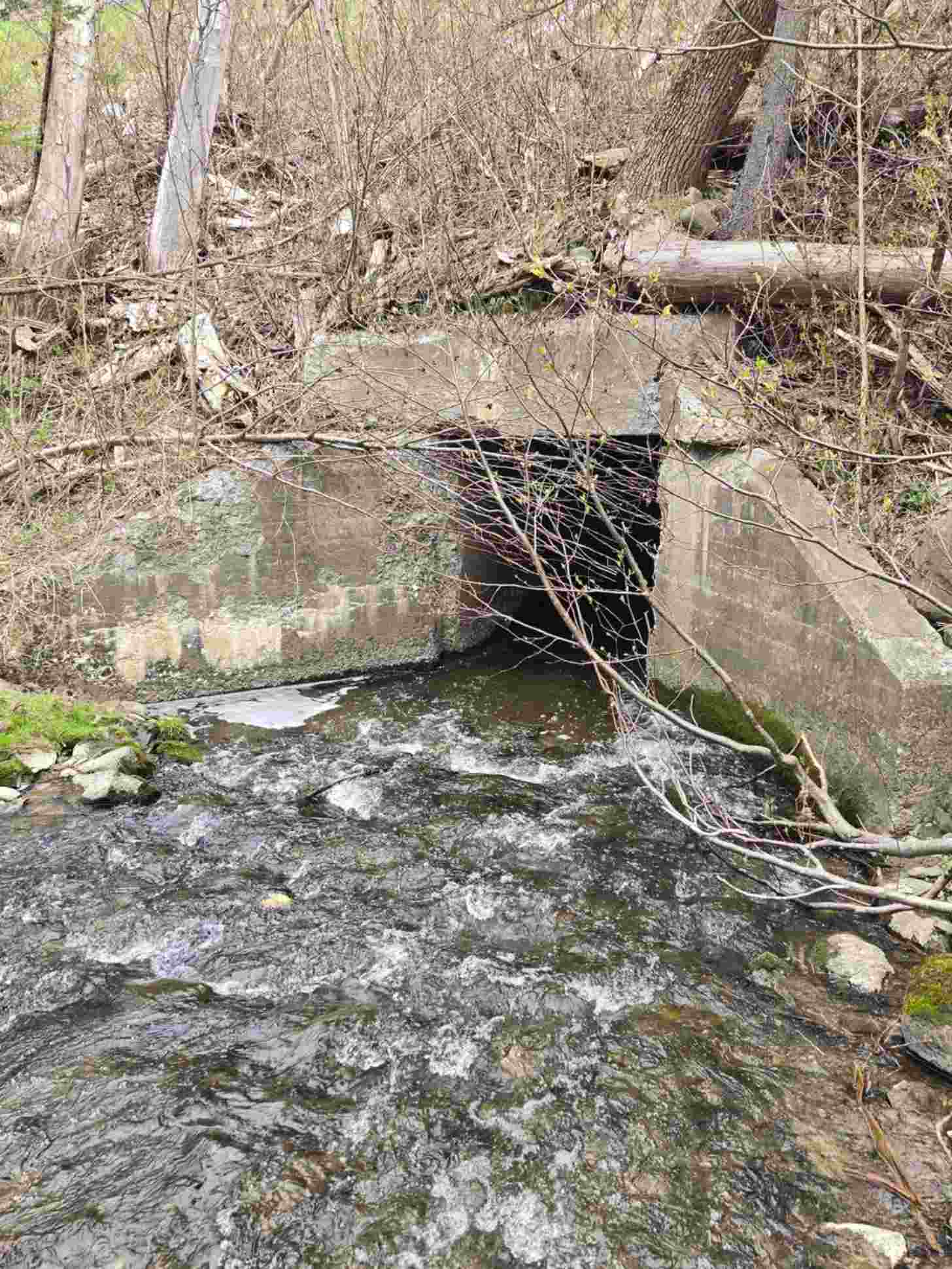
As part of the federal government’s Wildlife Crossings Pilot Program, MaineDOT received $9.3 million to enlarge two existing culverts, or tunnels, that wildlife already cross beneath Routes 1 and 164.
The goal is to make the tunnels large enough for larger mammals like moose, deer, and bears. They will also restore fish passage by reconnecting aquatic habitat in the area.
These changes protect the lives of more wildlife, but they’ll ideally make transportation easier on humans, too.
“People truly adjust their lives around not driving in the morning or at dusk because of the larger animals,” Eric Ham, a senior environmental manager at the Maine Department of Transportation, told Bangor Daily News. “It’s a regular part of everyday life for people who live there.”
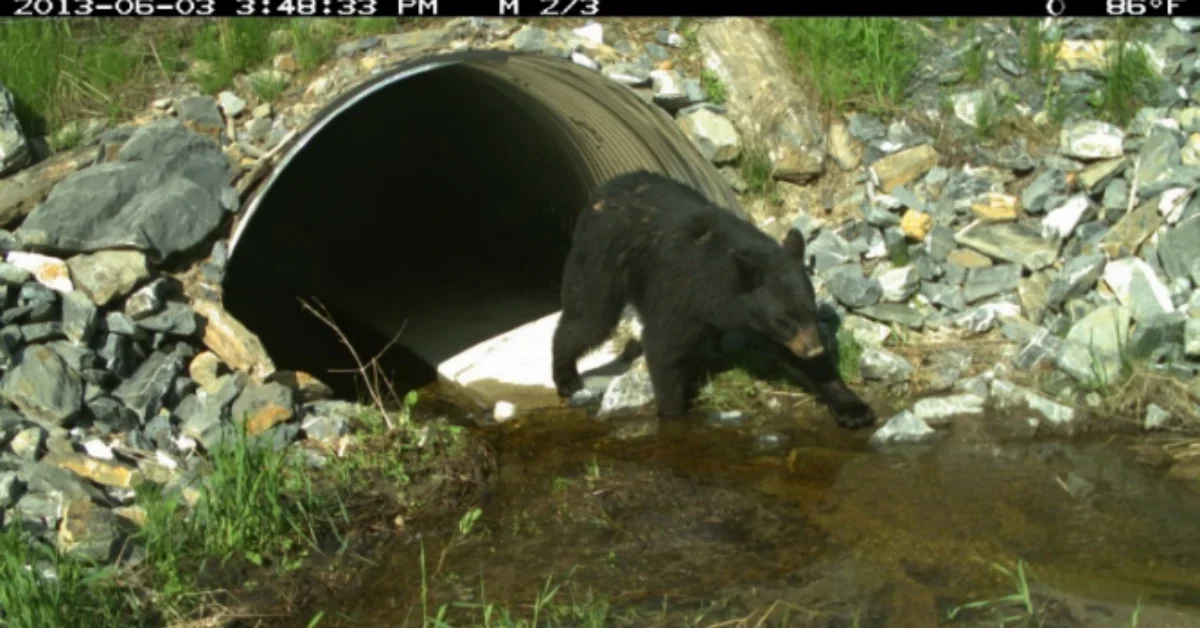
While the tunnels already attract bears and foxes, expanding them will make it easier for big mammals to traverse, alongside turtles, snakes, and all kinds of smaller native critters.
They are not visible to drivers, but the positive impacts are: Wildlife crossings like these already minimize animal fatalities, human injuries, and vehicle damage.
Making them more accessible for larger animals aims to reduce collisions even more.
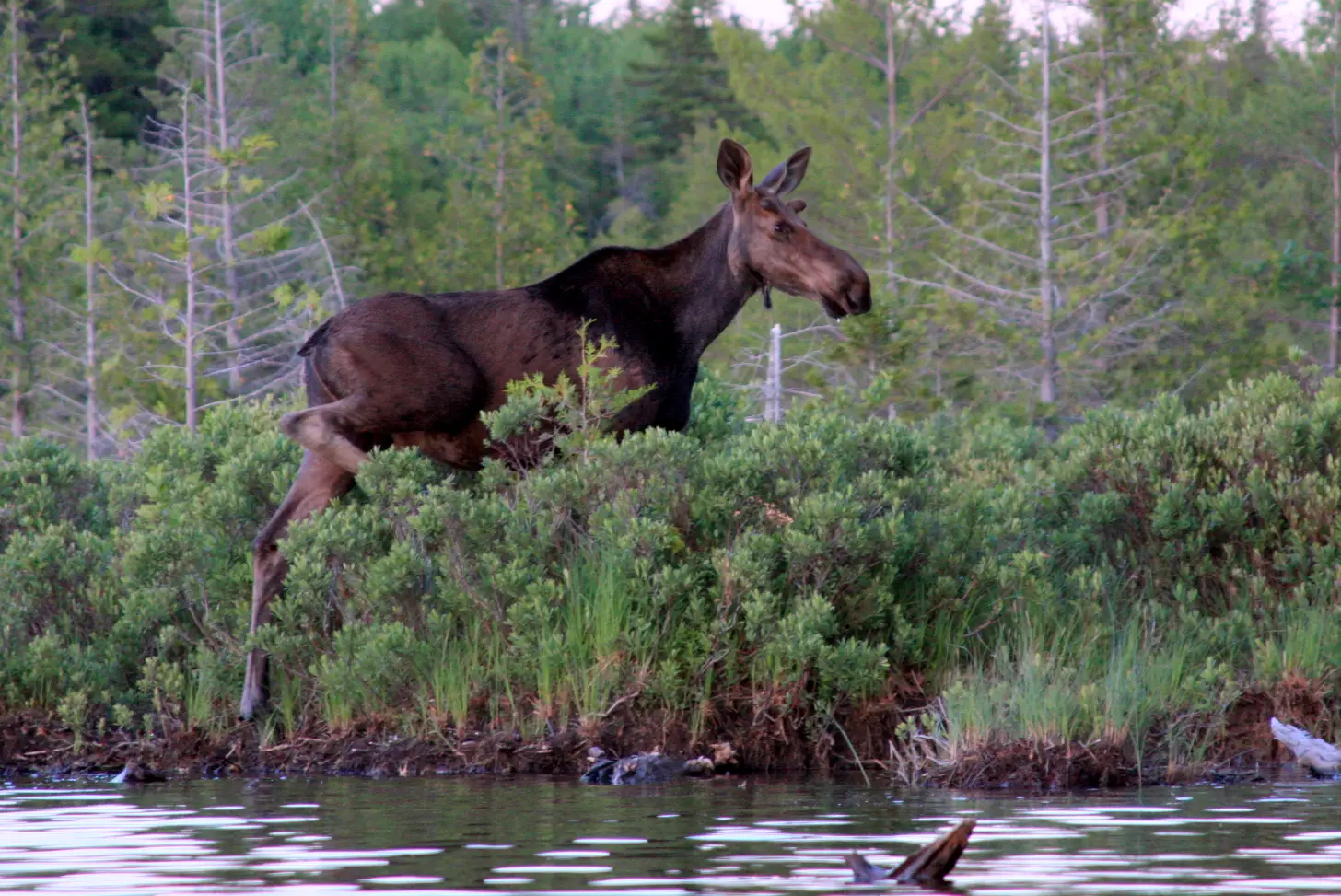
Construction crews are already working on replacement culverts. The concrete tunnel on Route 164 will have an open bottom and will be about 17 feet high, which will accommodate large moose, and is expected to be completed in April 2027.
The tunnel expansion on Route 1 will follow. It is expected to have a similar design and has an estimated completion date of November 2029.
Both tunnels will also provide more room for the passage of two rare fish, wild Atlantic salmon and wild brook trout.
“Improving this crossing on Route 164 will provide reliable, safer access to the downtown area,” a project narrative from the City of Caribou reads.
“The project would also provide more reliable transportation infrastructure for logging and potato farming industries and support tourism in the area for numerous outdoor recreational activities,” the document continues.
“Lastly, reducing wildlife-vehicle collisions in the project area would also increase opportunity for local wildlife viewing, as well as lawful harvest of the species that would otherwise have been removed from the landscape.”
While experts expect a learning curve for the animals to understand the finalized tunnels, local leaders are eager to see the positive impact of expanded wildlife crossings.
Penny Thompson, the city manager of Caribou, summed it up simply for Bangor Daily News: “Anything that can keep wildlife off the roads that our people are using is very much appreciated.”
You may also like: A small New Hampshire city is building tunnels just for salamanders. They're already saving lives
Featured Image: Courtesy of Maine Department of Transportation