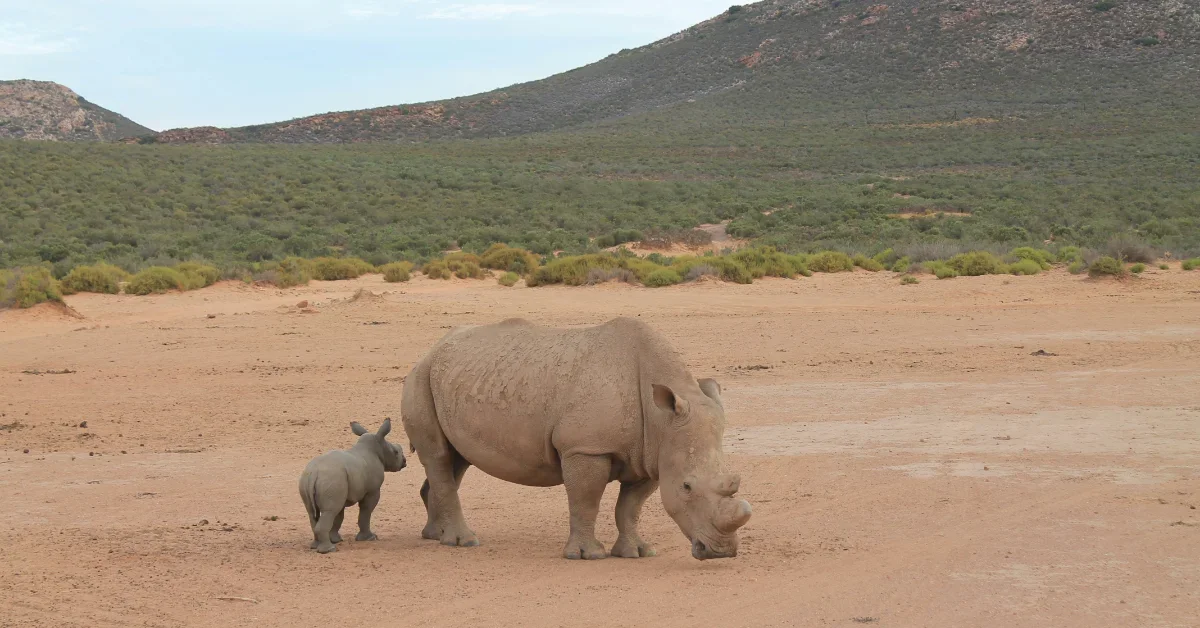
Back in 2017, six orphaned rhinos were rescued as poaching victims from a handful of wildlife reserves operated by Ezemvelo KZN Wildlife, a nonprofit that works to improve biodiversity in the coastal South African province of KwaZulu-Natal.
Those six rhinos, all of which are white rhinos, were rescued after being abandoned when poachers killed their mothers. They spent five years in intensive rehabilitation before being able to return to the wild.
The nonprofit’s Game Capture and Veterinary Unit manages all orphaned rhino rescues and works in collaboration with a handful of government organizations, other private rhino rescues, and non-governmental organizations.
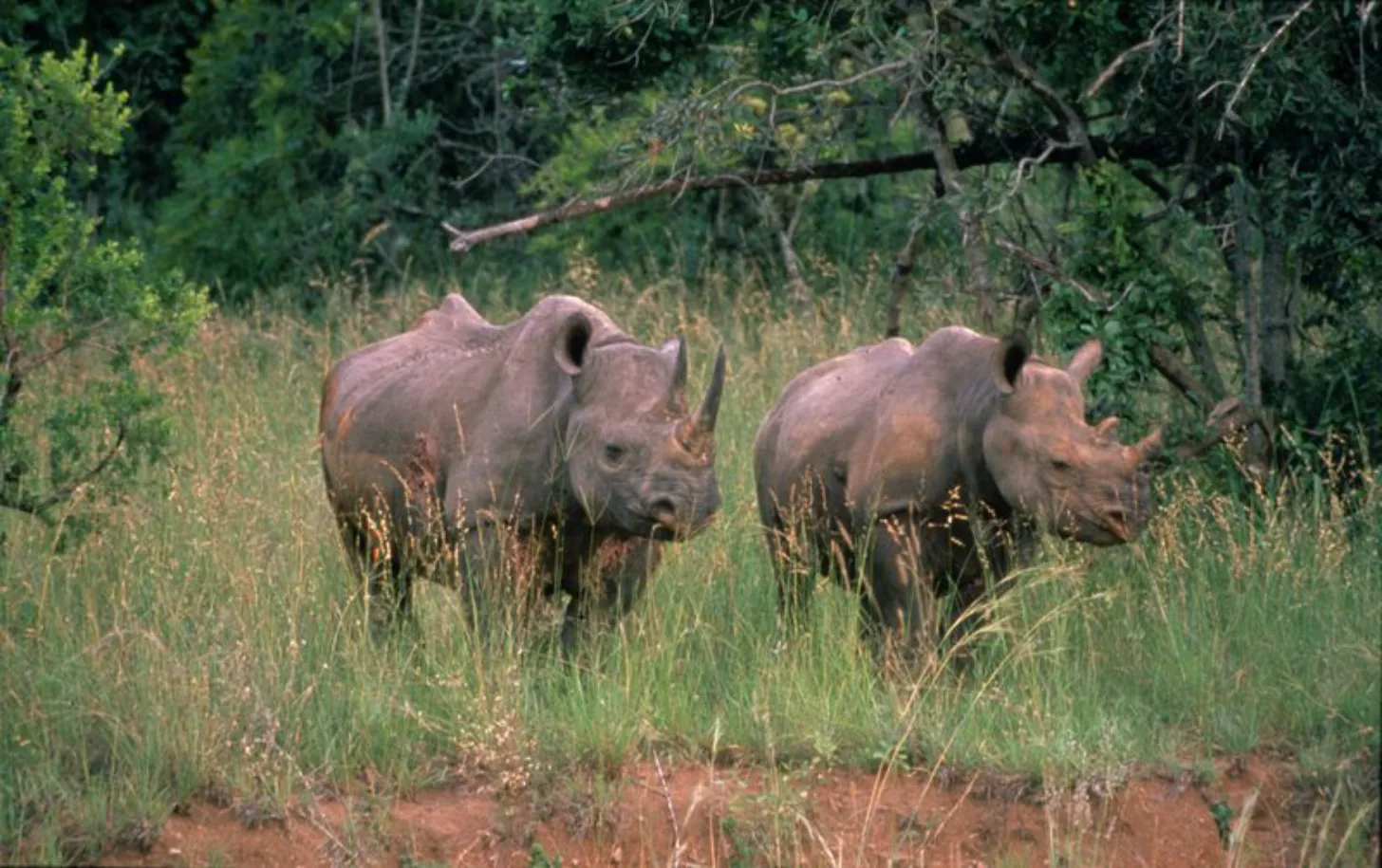
“Orphaned rhinos remain in rehabilitation for about four to five years, until they are ready to be released back into the wild,” Dumisani Zwane, the manager of the veterinary unit, said in a statement.
Zwane told News 24 that the rescued rhinos are always confused when they are taken into the care of veterinarians.
“The only thing they know is their mother,” he said. “They are very confused. They kick the buckets, they don’t want to eat, and you have to do everything possible to get them onto milk.”
The rehabilitation specialists gradually introduced them to other orphaned rhinos, and once they began forming social bonds, they started to improve. The young rhinos were mostly milk-fed for two years, before transitioning to grass and supplementary feed.
Once they were able to graze on their own, they were considered for release.
The years-long process is grueling, but now, it’s especially rewarding for conservationists like Zwane.
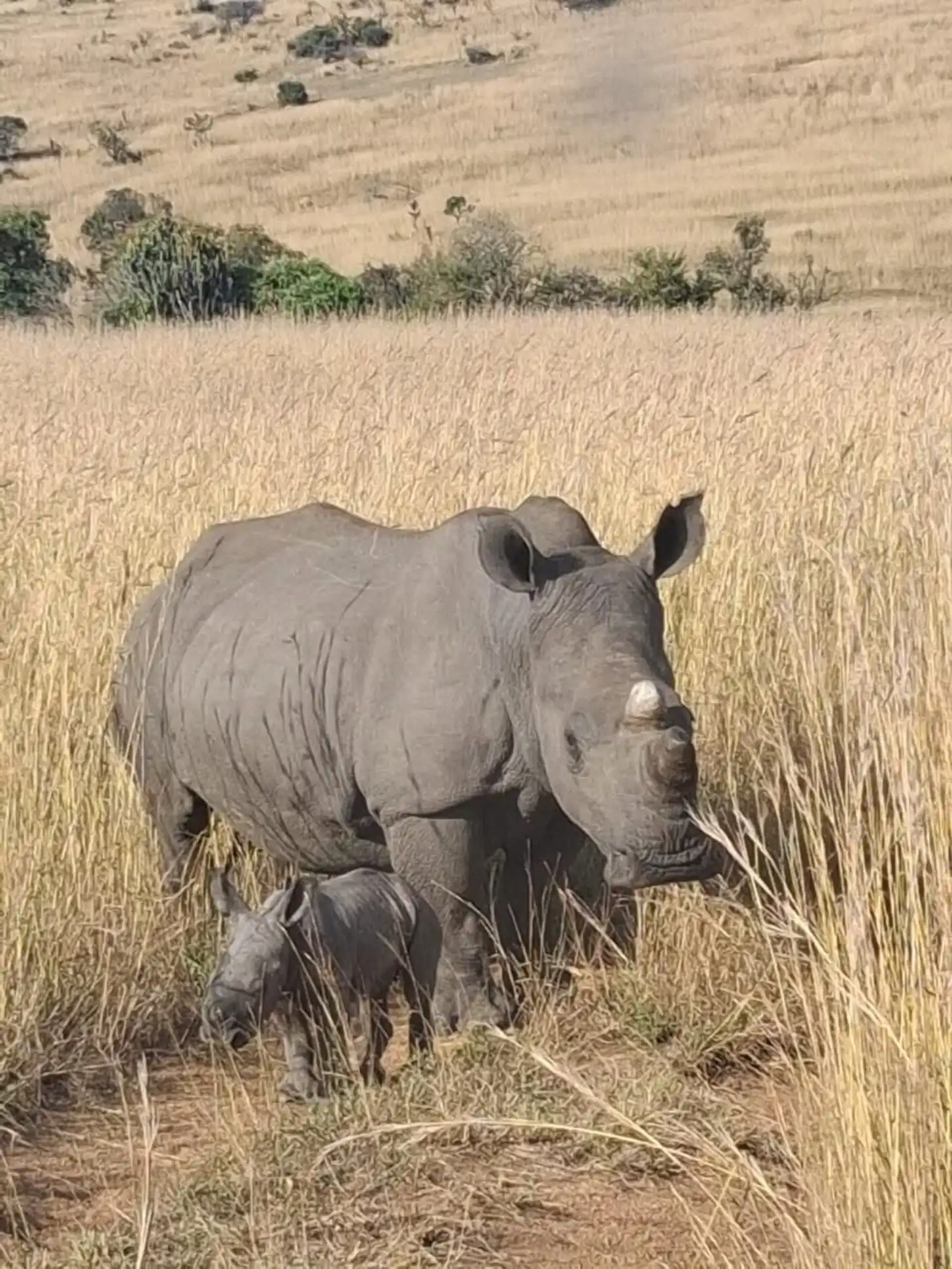
After the now-adult rhinos were released at carefully selected sites, Ezemvelo KZN Wildlife continued to monitor their progress. They were thrilled to discover that all six of the rhinos rescued in 2017 have now safely and successfully given birth to their own calves.
“Rehabilitating rhinos has proven to be a true conservation success. With the right intervention, orphaned rhinos can return to the wild after time spent in captivity, breed naturally, and contribute to South Africa's wild rhino population,” Zwane said in a statement.
It is a symbol of hope for the future of rhino conservation, he added.
“To have that conservation success story of them going back, living as wild rhinos, bonding with wild rhinos, and giving birth — it just completes us,” he told News 24.
“This is one feather in our cap. It is one of many conservation success stories, but it is a very important one.”
You may also like: Scientists have a new way to halt illegal poaching in South Africa: Turning rhino horns radioactive
Featured Image: Joffre Design/Unsplash